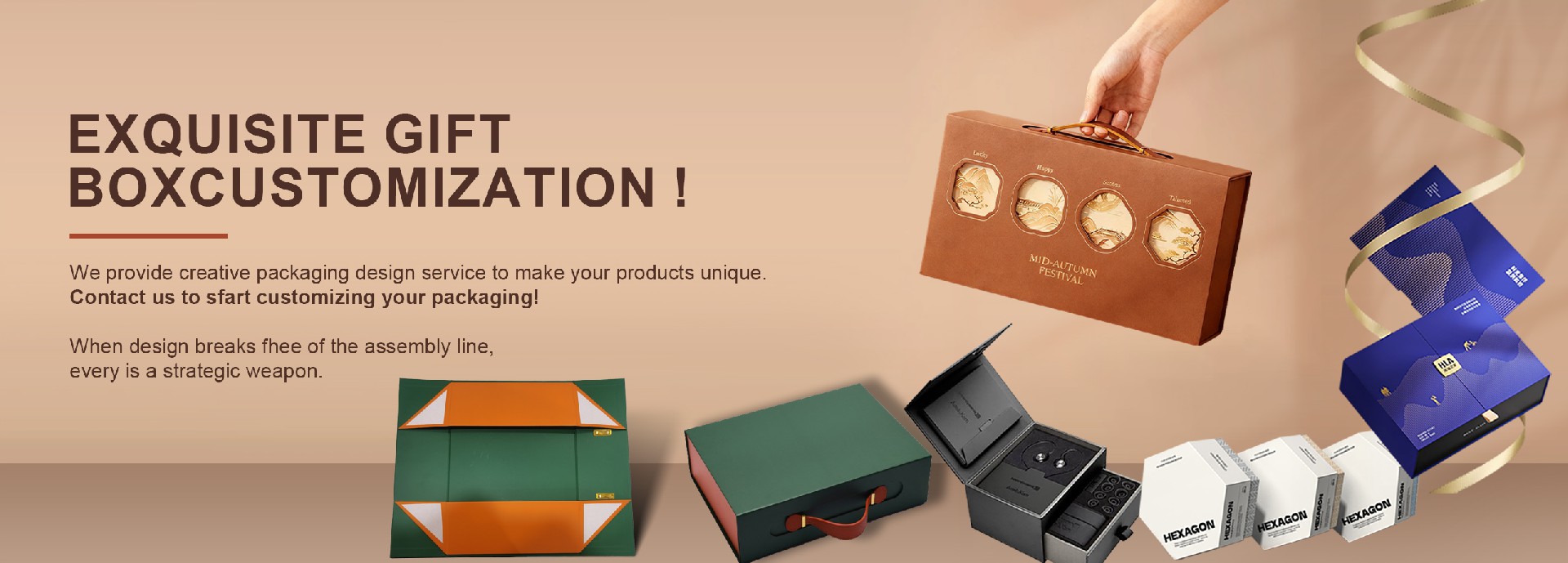
The global carton packaging market is on a robust growth trajectory, driven by e-commerce expansion, rising consumer expectations, and urgent sustainability goals. As we look towards 2026, the industry is set for a transformative phase where digital innovation, material science, and intelligent design converge. This article explores the pivotal trends that will define the future of folding cartons, rigid boxes, and corrugated packaging, offering a roadmap for brands and manufacturers aiming to stay ahead.
1. The Digital & Smart Packaging Revolution
The push for agility and personalization is making digital printing the new standard. Unlike traditional methods, digital processes enable cost-effective short runs and mass customization, allowing for rapid response to market trends and regional campaigns without sacrificing quality-. This flexibility is crucial as brands seek to reduce inventory risk and accelerate time-to-market.-
This shift is powering the rise of connected packaging. By 2027, next-generation 2D barcodes (like GS1 Digital Link) are expected to replace traditional UPCs, turning every package into an interactive portal-
. A simple scan can reveal a product's origin, provide recycling instructions, unlock loyalty rewards, or offer immersive brand stories through Augmented Reality (AR)--
. For high-value goods, technologies like NFC (Near-Field Communication) and RFID are being embedded for authentication, advanced engagement, and unparalleled supply chain visibility-
.
Furthermore, Artificial Intelligence (AI) is beginning to reshape packaging from the design stage. AI tools can now analyze consumer data to generate region-specific visuals, automate layout adaptations, and even help predict which designs will resonate best, making hyper-personalization scalable.-
2. Sustainable Materials & Circular Design
Sustainability has moved from a marketing advantage to a core operational and regulatory imperative. The trend of "paperization"—replacing plastics with paper-based solutions—continues to accelerate, supported by materials from responsibly managed, FSC-certified forests.9.
Innovation is focused on enhancing the functionality of paper:
Advanced Barriers: New, recyclable coatings and treatments are being developed to provide the moisture and grease resistance needed for food packaging without compromising recyclability-
.Regenerative & Alternative Fibers: Beyond wood pulp, packaging is increasingly incorporating fibers from bamboo, agricultural waste (like bagasse), and even seaweed, reducing reliance on virgin materials-.
Circular Systems: The use of Post-Consumer Recycled (PCR) content is rising, driven by regulations requiring minimum recycled content-
. Brands are also exploring refillable and reusable carton systems for products like cosmetics and dry foods, designed for multiple lifecycles.-
-
The concept of "Eco-Luxury" is redefining premium packaging. Unbleached textures, raw finishes, and minimalist designs that highlight natural materials are now perceived as markers of sophistication and responsibility-
. Completing this transparency drive is the emergence of carbon labeling, where packages display their verified carbon footprint, empowering consumers to make informed, climate-conscious choices.-
3. Intelligent Manufacturing & Tactile Experience
On the factory floor, the focus is on automation, data, and efficiency. To address labor challenges and meet demand for faster turnarounds, manufacturers are investing in AI and IIoT (Industrial Internet of Things) platforms. These systems predict maintenance needs, optimize machine performance in real-time, and drastically reduce waste-
. High-speed, automated converting lines are becoming essential for maintaining quality and throughput while managing the complexity of short-run, customized orders-
This manufacturing precision enables more sophisticated structural and tactile design. In a crowded retail and e-commerce landscape, the unboxing experience is a critical touchpoint. Expect greater use of:
Premium Tactile Finishes: Soft-touch coatings, precise embossing/debossing, and textured varnishes that create a memorable sensory experience-
Functional Structures: Designs that easily convert to retail displays, incorporate built-in product protection, or facilitate easy reuse-
Lightweighting: Engineering stronger, lighter boards and right-sized packaging to reduce material use and shipping costs—a practice known as "lightweighting"-
Looking Ahead
The carton packaging industry in 2026 will be characterized by smarter, more responsible, and deeply engaging solutions. Success will belong to those who seamlessly integrate digital flexibility with genuine circularity, all while delivering exceptional and efficient brand experiences.
Is your packaging strategy ready for 2026? Embracing these trends requires a partner with expertise in advanced printing, material innovation, and smart design. Explore how our solutions can help future-proof your brand in this evolving landscape.